Welcome
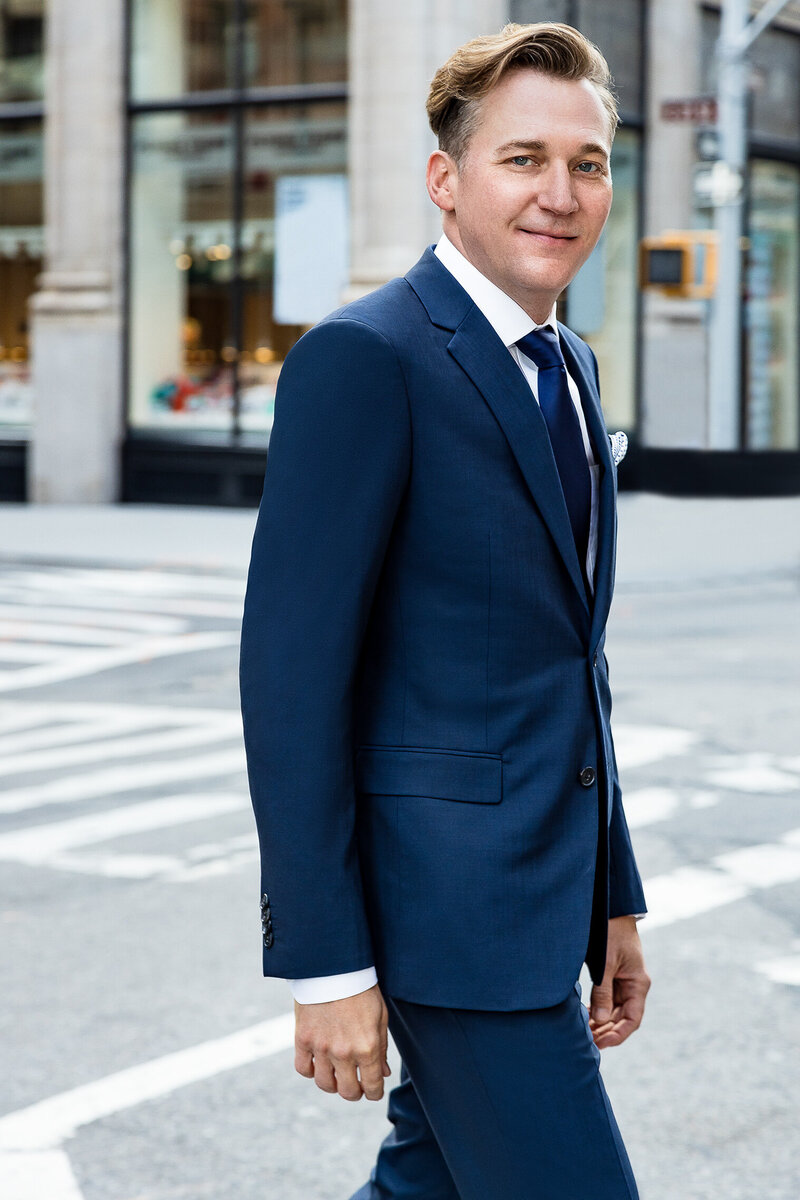
Meet Dr. Baldenhofer
Craig Andrew Baldenhofer M.D., is a fellowship trained Plastic Surgeon specializing in aesthetic and reconstructive surgery of the breast, body and face. He is trained in advanced techniques of breast and body cosmetic surgery, fat grafting techniques, liposuction and post-bariatric body contouring. Dr. Baldenhofer is skilled in microsurgery including the state of the art perforator flaps for reconstructive breast surgery following mastectomy. These include free TRAM, DIEP, and SIEA flaps.
Dr. Baldenhofer, a New Orleans native, earned his medical degree from the Louisiana State University Health Science Center in Shreveport and began his surgical training in General Surgery in New York City before completing rigorous a residency in Plastic and Reconstructive Surgery at Oregon Health and Science University in Portland, Oregon. During this training period, he worked with world-class reconstructive and cosmetic surgeons performing a full range of cosmetic and reconstructive plastic surgery. He then completed a highly regarded Microvascular Breast and Aesthetic Fellowship at Mercy Medical Center in Baltimore, MD under the direction of Dr. Bernard Chang and Dr. Craig Vander Kolk.
Dr. Baldenhofer has volunteered his time and expertise for reconstructive cleft lip and palate surgery in developing countries thru Healing the Children, a not-for-profit volunteer organization.
Dr. Baldenhofer has recently returned to New York to join the practice of Dr. David Antell offering patients of Manhattan and Long Island compassionate care in a safe, warm, clinical setting.
BODY
Abdominal Contouring
(Tummy Tuck, Abdominoplasty)
Also known as abdominoplasty, a tummy tuck removes excess fat and skin, and in most cases restores weakened or separated muscles creating an abdominal profile that is smoother and firmer. There are many types of tummy tucks and choosing the right procedure for you is very important. If you have had children, chances are your lower abdomen is no longer as flat as it was in your younger years. This is due to a separation of your abdominal muscles caused by your pregnancy. It is not possible to correct this "pouch" and restore the flat stomach of your youth no matter how many sit-ups, stomach crunches, or hours of pilates you do. Surgical realignment to the natural position of these muscles is necessary.
During a full abdominoplasty tightening the abdominal wall pulls in the abdomen and corrects any bulge that resulted from having children. This mid-line tightening can also improve your hour-glass figure. For most patients, a majority of the skin below the belly button can be removed. This gets rid of any stretch marks present on that skin. The remaining skin is then stretched out to cover the whole abdomen, making it thinner. A new belly button is created. Longer scar lengths can add the benefit of an anterior thigh lift.
Liposuction is sometimes performed in conjunction with a tummy tuck to address the 'love handles'.
Most patients can return to work at a 'desk-type job' within 1–2 weeks and resume full activities at 6 weeks.
BODY
Liposuction
Liposuction sculpts the body by removing undesirable fat that has not responded to diet and exercise from areas such as the abdomen, waist, hips, buttocks, thighs, knees, chin, cheeks, neck and upper arms. The best candidates are those who are near their ideal weight and have only these stubborn areas of fat without significant excess skin.
During the procedure, small incisions are made within well hidden areas and special metal suction cannulas are passed removing the excess fat deposits. The procedure is done on an outpatient basis and can be performed under local or general anesthesia, depending on the area and amount of liposuction performed.
The typical recovery period is 2-4 weeks during which swelling and bruising is common.
BODY
Body Contouring
Body Conmtouring after Massive Weight Loss
People who loose large amounts of weight can be left with large amounts of heavy, loose folds of skin around the abdomen, arms, thighs, breasts, buttocks and face. As a result of being stretched for a long period of time the skin loses its elasticity and fails to shrink back to its former size and shape causing significant cosmetic and hygiene problems. The only way to remove excess skin after massive weight loss is thought body contouring plastic surgery.
The best candidates for body countering after massive weight loss are those in good overall health, are non smokers, and whose weight has been stable for at least a year.
Multiple surgeries are often needed and the skin reduction is done in stages to minimize complications.
All procedures are performed in the hospital. Typical recovery is 2 - 4 weeks before returning to work.
BODY
Arm lift
Brachioplasty (Arm lift surgery)
If you have unsightly sagging skin on the upper arms due to aging, genetics, or weight loss, you may be a candidate for upper arm lift. Brachioplasty is intended to reduce or eliminate excess skin from the upper arms. In order to remove the unwanted skin, an incision is required that runs from near the elbow into the armpit. The incision is placed in the most inconspicuous location (inner arm toward the back), but some scarring will always be visible.
After surgery, the upper arms are either wrapped or placed in an elastic sleeve to reduce swelling. Initial healing usually occurs in 10 to 14 days. Sutures are usually removed within the first 24 weeks. Swelling and bruising gradually disappear over 3 to 4 weeks. All swelling is gone in 3 to 6 months. The scars fade in 6 to 24 months depending on your skin. An additional procedure that may enhance the result is Liposuction of the upper arms.
Upper arm lift is considered cosmetic and therefore is not covered by insurance. The patient is responsible for payment. The specific risks and the suitability of upper arm lift for a given individual can be determined only at the time of consultation. All surgical procedures have some degree of risk. Minor complications that do not affect the outcome occur occasionally. Major complications are unusual.
BODY
Thigh lift
Thigh Lift Surgery
After large weight loss or for some simply aging the inner thighs can sag and rub together. Exercise and tone the muscles and reduce the fat but will not improve the sagging skin that has lost its elasticity. The best way to improve this unpleasant contour is with a thigh lift which removes this excess sagging skin.
The best candidate for a thigh lift is someone who has loose skin or loose skin and excess fat of the upper inner thigh.
The thigh lift is preformed by removing a crescent for skin and fat below the groin crease tightening the inner thigh and removing the excess skin that rubs together. The scar is usually easily hidden in clothes.
For those who have more extensive excess skin and fat that extends to the inner aspect of the knee an Extended Inner thigh lift is more appropriate treatment. The technique is similar to the medial thigh lift with the ability to remove much more excess skin and fat at the expense of a longer T-shaped scar on the inner thigh.
The procedure is performed under general anesthesia on an out patient basis. Compressive elastic garments are worn continuously for 4 weeks to minimize swelling after surgery. Recovery time is usually 2 - 4 weeks before returning to work.
BREAST
Breast Augmentation
Who is a Candidate for Breast Enlargement?
Women who desire larger breasts may wish to have a breast enlargement (augmentation) procedure. Breast augmentation may also be indicated for women who have one breast that is noticeably smaller than the other.
Breast augmentation is intended to give the patient larger and more shapely breasts. A more positive self image may also be a result of breast enlargement.
About Breast Enlargement Surgery
Breast enlargement surgery is done on an outpatient basis under general anesthesia. Prior to your surgery, you and your surgeon will decide what surgical approach and type of implant is best for you. Incisions for breast enlargement can be made either under the breast in the crease, around the bottom of the aerola (nipple complex), or in the armpit. The implants are can be placed either under the breast tissue or under the muscle. There are several types of implants - saline and silicone gel - which come in many styles which allows your surgeon to select the implant that is best suited to your needs.
The patient goes home in an elastic bra. The bra helps hold the breasts in the correct position. Initial discomfort is controlled with oral medication. Sutures are usually removed in 7 to 12 days. Light activities can be resumed as tolerated and aerobic activities can be started in about 3 weeks. Moving or sliding the implants within the breast pockets during the postoperative period may reduce the frequency of wrinkling. Your surgeon will instruct you in post operative massage of your implants at your post operative check up.
Additional Procedures
An additional procedure that would enhance the result of a breast augmentation is a Breast Lift if the breasts are saggy in addition to being small.
Many women are interested in enhancing their breast size to improve their overall body image. Patient's interest in augmentations range from the subtle change to a significant enlargement to their breast size. Women often consider augmentation with a breast lift following pregnancy.
Breast augmentation requires surgical dissection of pockets deep to the breasts or underneath the chest wall muscles. Once the pockets have been created, breast implants, [silicone 'shells'] are inserted into the pockets and expanded with salt water until the desired size and shape is achieved.
BREAST
Breast Reduction
You may be a candidate for breast reduction if you have large, heavy breasts, which may be the cause of breathing difficulties, back, shoulder and neck pain, poor posture, bra strap indentations and chafing under the breasts. You may also desire Breast Reduction if you have excessive breast size, which may decrease a sense of attractiveness and self confidence. If large breasts interfere with normal daily activities or with exercise, Breast Reduction may be helpful to the patient. Breast Reduction is intended to give the patient a more attractive contour and smaller breast size as well as freedom from health problems associated with excessively large breasts. Improved self image may also be a result of Breast Reduction. Breast Reduction is done under general anesthesia in the hospital. Incisions vary from patient to patient but are usually periareolar with a vertical extension. The nipple areolar complex is moved upward to the desired location; excess breast tissue, fat, and skin are removed.
Breast Reduction incisions are covered with light dressings, and the breasts are placed in a bra. The bra holds the breasts symmetrically during initial healing. Initial discomfort subsides daily and can be controlled with oral medication. Scars will usually fade in 6 to 12 months. Surgery will probably reduce and possibly eliminate, the ability to breast feed. An additional procedure that would enhance the result is liposuction of the axillary area to reduce excess fat deposits. Breast Reduction is not always covered by insurance; in many instances, it is considered cosmetic. Our staff will assist you in obtaining pre-authorization. The specific risks and the suitability of Breast Reduction for a given individual can be determined only at the time of consultation. All surgical procedures have some degree of risk. Minor complications that do not affect the outcome occur occasionally. Major complications are rare.
BREAST
Mastopexy (Breast Lift)
You may be a candidate for breast lift surgery if you have sagging breasts due to past pregnancies, genetics, or aging. You may also desire breast lift if the sagging is too great to be treated with an implant alone, or if your nipple areolar complexes (pigmented areas around nipples) are enlarged.
Breast lift is intended to produce an elevated, more youthful breast contour, as well as nipple areolar complexes of the desired size and at the correct height.
Breast lift is done on an outpatient basis under sedation and local or general anesthesia. The design of the incisions can vary but usually include incisions around the nipple areolar complex and in the crease under the breast. The nipple areolar complex is repositioned higher, the excess skin is removed, and the breast is reshaped in a pleasing contour and in a more normal position. The insertion of an implant as well, may or may not be advisable.
The patient goes home in a bra with only light dressings over the incision lines. The bra is worn as a 'dressing' for 4 to 6 weeks. Initial discomfort is easily controlled with oral medication. Light activities may be started in 7 to 10 days.
BREAST
Breast Reconstruction
If you're considering breast reconstruction...
Reconstruction of a breast that has been removed due to cancer or other disease is one of the most rewarding surgical procedures available today. New medical techniques and devices have made it possible for surgeons to create a breast that can come close in form and appearance to matching a natural breast. Frequently, reconstruction is possible immediately following breast removal (mastectomy) so the patient wakes up with a breast mound already in place, having been spared the experience of seeing herself with no breast at all.
But bear in mind, post-mastectomy breast reconstruction is not a simple procedure. There are often many options to consider as you and Dr. Baldenhofer explore what's best for you.
The best candidates for breast reconstruction...
Most mastectomy patients are medically appropriate for reconstruction, and most can have their reconstruction at the time of their mastectomy.
Still, there are legitimate reasons to wait. Many women aren't comfortable weighing all the options while they're struggling to cope with a diagnosis of cancer. Others simply don't want to have any more surgery than is absolutely necessary. Some patients may be advised by their surgeons to wait, particularly if the breast is being rebuilt in a more complicated procedure using flaps of skin and underlying tissue. Women with other health conditions such as obesity, high blood pressure or smoking may also be advised to wait.
In any case, being informed of your reconstruction options before surgery can help you prepare for a mastectomy with a more positive outlook for the future.
All surgery carries some uncertainty and risk...
Virtually any woman who must lose her breast to cancer can have it rebuilt through reconstructive surgery. But there are risks associated with any surgery and specific complications associated with this procedure.
In general, the usual problems of surgery, such as bleeding, fluid collection, excessive scar tissue or difficulties with anesthesia, can occur, although they're relatively uncommon. And, as with any surgery, smokers should be advised that nicotine can delay healing, resulting in conspicuous scars and prolonged recovery. Occasionally, these complications are severe enough to require a second operation.
If an implant is used, there is a remote possibility that an infection will develop, usually within the first two weeks following surgery. In some of these cases, the implant may need to be removed for several months until the infection clears. A new implant can later be inserted.
The most common problem, capsular contracture, occurs if the scar or capsule around the implant begins to tighten. This squeezing of the soft implant can cause the breast to feel hard. Capsular contracture can be treated in several ways and sometimes requires either removal or "scoring" of the scar tissue or perhaps removal or replacement of the implant.
Reconstruction has no known effect on the recurrence of disease in the breast, nor does it generally interfere with chemotherapy or radiation treatment, should cancer recur. Dr. Baldenhofer may recommend continuation of periodic mammograms on both the reconstructed and the remaining normal breast. If your reconstruction involves an implant, be sure to go to a radiology center where technicians are experienced in the special techniques required to get a reliable x-ray of a breast reconstructed with an implant.
Women who postpone reconstruction may go through a period of emotional readjustment. Just as it took time to get used to the loss of a breast, a woman may feel anxious and confused as she begins to think of the reconstructed breast as her own.
Planning your surgery
You can begin talking about reconstruction as soon as you're diagnosed with cancer. Ideally, you'll want your breast surgeon and your plastic surgeon to work together to develop a strategy that will put you in the best possible condition for reconstruction.
After evaluating your health, Dr. Baldenhofer will explain which reconstructive options are most appropriate for your age, health, anatomy, tissues and goals. Be sure to discuss your expectations frankly with Dr. Baldenhofer. He will be equally frank with you, describing your options and the risks and limitations of each. Post-mastectomy reconstruction can improve your appearance and renew your self-confidence - but keep in mind that the desired result is improvement, not perfection.
Preparing for your surgery
Your surgical oncologist and Dr. Baldenhofer will give you specific instructions on how to prepare for surgery, including guidelines on eating and drinking, smoking, and taking or avoiding certain vitamins and medications.
While making preparations, be sure to arrange for someone to drive you home after your surgery and to help you out for a few days, if needed.
Where your surgery will be performed
Breast reconstruction usually involves more than one operation. The first stage, whether done at the same time as the mastectomy or later on, is usually performed in a hospital.
Follow-up procedures may also be done in the hospital. Or, depending on the extent of surgery required, Dr. Baldenhofer may prefer an outpatient facility.
Types of anesthesia
The first stage of reconstruction, creation of the breast mound, is almost always performed using general anesthesia, so you'll sleep through the entire operation.
Follow-up procedures may require only a local anesthesia combined with a sedative to make you drowsy. You'll be awake but relaxed, and may feel some discomfort.
Types of implants
If Dr. Baldenhofer recommends the use of an implant, you'll want to discuss what type of implant should be used. A breast implant is a silicone shell filled with either silicone gel or a salt-water solution known as saline.
Both types of implants are approved for routine use by the FDA.
The surgery
While there are many options available in post-mastectomy reconstruction, you and Dr. Baldenhofer should discuss the one that's best for you. Skin expansion. The most common technique combines skin expansion and subsequent insertion of an implant.
A tissue expander is inserted following the mastectomy to prepare for reconstruction.
Following mastectomy, Dr. Baldenhofer will insert a balloon expander beneath your skin and chest muscle. Through a tiny valve mechanism buried beneath the skin, he will periodically inject a salt-water solution to gradually fill the expander over several weeks or months. The filling of the expander that can be done at home if you have a helper that is comfortable with the procedure. After the skin over the breast area has stretched enough, the expander may be removed in a second operation and a more permanent implant will be inserted. Some expanders are designed to be left in place as the final implant. The nipple and the dark skin surrounding it, called the areola, are reconstructed in a subsequent procedure.
The expander is gradually filled with saline through an integrated or separate tube to stretch the skin enough to accept an implant beneath the chest muscle.
After surgery, the breast mound is restored. Scars are permanent but will fade with time. The nipple and areola are reconstructed at a later date.
Flap reconstruction. An alternative approach to implant reconstruction involves creation of a skin flap using tissue taken from other parts of the body, such as the back, abdomen or buttocks.
In one type of flap surgery, the tissue remains attached to its original site, retaining its blood supply. The flap, consisting of the skin, fat and muscle with its blood supply, are tunneled beneath the skin to the chest, creating a pocket for an implant or, in some cases, creating the breast mound itself without need for an implant.
With flap surgery, tissue is taken from the back and tunneled to the front of the chest wall to support the reconstructed breast.
Another flap technique uses tissue that is surgically removed from the abdomen, thighs or buttocks, and then transplanted to the chest by reconnecting the blood vessels to new ones in that region. This procedure requires the skills of a plastic surgeon who is experienced in microvascular surgery as well.
The transported tissue forms a flap for a breast implant, or it may provide enough bulk to form the breast mound without an implant.
Regardless of whether the tissue is tunneled beneath the skin on a pedicle or transplanted to the chest as a microvascular flap, this type of surgery is more complex than skin expansion. Scars will be left at both the tissue donor site and at the reconstructed breast, and recovery will take longer than with an implant. On the other hand, when the breast is reconstructed entirely with your own tissue, the results are generally more natural and there are no concerns about a silicone implant. In some cases, you may have the added benefit of an improved abdominal contour.
Follow-up procedures
Most breast reconstruction involves a series of procedures that occur over time. Usually, the initial reconstructive operation is the most complex. Follow-up surgery may be required to replace a tissue expander with an implant or to reconstruct the nipple and the areola. Many surgeons recommend an additional operation to enlarge, reduce or lift the natural breast to match the reconstructed breast. But keep in mind, this procedure may leave scars on an otherwise normal breast and may not be covered by insurance.
After your surgery
You are likely to feel tired and sore for a week or two after reconstruction. Most of your discomfort can be controlled by medication prescribed by Dr. Baldenhofer.
Depending on the extent of your surgery, you'll probably be released from the hospital in two to five days. Many reconstruction options require a surgical drain to remove excess fluids from surgical sites immediately following the operation, but these are removed within the first week or two after surgery. Most stitches are removed in a week to 10 days.
Getting back to normal
It may take you up to six weeks to recover from a combined mastectomy and reconstruction or from a flap reconstruction alone. If implants are used without flaps and reconstruction is done apart from the mastectomy, your recovery time may be less.
Reconstruction cannot restore normal sensation to your breast, but in time, some feeling may return. Most scars will fade substantially over time, though it may take as long as one to two years, but they'll never disappear entirely. The better the quality of your overall reconstruction, the less distracting you'll find those scars.
Follow Dr. Baldenhofer's advice on when to begin stretching exercises and normal activities. As a general rule, you'll want to refrain from any overhead lifting, strenuous sports and sexual activity for three to six weeks following reconstruction.
Your new look
Chances are your reconstructed breast may feel firmer and look rounder or flatter than your natural breast. It may not have the same contour as your breast before mastectomy, nor will it exactly match your opposite breast. But these differences will be apparent only to you. For most mastectomy patients, breast reconstruction dramatically improves their appearance and quality of life following surgery.
BREAST
Male Breast Reduction (Gynecomastia)
A large number of men are affected by gynecomastia. One or both breasts can be affected and cause significant feelings of self-consciousness and discomfort. Although cause is unknown breast reduction surgery for gynecomastia is a safe effective treatment for men suffering this condition.
The best candidates are healthy men who are not overweight and have skin that is elastic enough to shrink after the breast reduction.
The procedure is performed on an outpatient basis using general anesthesia.
The surgery typically involves a small incision around the nipple to remove the excess glandular tissue in combination with some amount of liposuction. If there is a significant amount of excess skin additional incisions and therefore visible scars are necessary for the best contour.
After surgery you will wear a compressive garment continuously for 2 weeks to help minimize swelling. Most patients can return to work in 1-2 weeks and are back to their normal activities within a month.
FACE
Face Lift
In time, gravity, sun exposure, and the stresses of daily life take their toll on our faces: deep creases appear beside the mouth, the jaw line slackens, and folds and fat deposits appear on the neck. Facelifts counteract these problems by removing fat and tightening skin and muscles, giving your face a fresher, youthful look. After surgery, some patients appear 10-15 years younger.
A facelift can be combined with a browlift, eyelid surgery or nose reshaping for more dramatic results, or it can be restricted to the neck (necklift) if the patient's problems center there. Incisions are made in inconspicuous places such as behind the hairline and in natural folds of the face and ears, and scars fade to near invisibility in time. Results of a facelift do not last forever, but in another sense, the effects are permanent; years later, your face will continue to look better than if you had never had the procedure.
FACE
Eyelid Surgery
You may be a candidate for eyelid lift (blepharoplasty) if you have excessive, sagging, or wrinkled upper or lower eyelid skin. Eyelid lift can also be helpful if you have excess upper eyelid skin that interferes with vision or if you have lost your natural upper eyelid crease. Eyelid lift may also be indicated if you have puffy pouches of fat in the upper or lower lids that create a tired or aged appearance.
The eyelid lift (blepharoplasty) procedure is intended to produce a more youthful and rested appearance of the eyes. Eyelid surgery may also widen your visual fields if excessive upper lid skin has partially blocked vision.
Blepharoplasty is done on an outpatient basis under sedation and local or general anesthesia. The incisions are made where the natural crease should be in the upper lids and below the lash line in the lower lids. Excess fat and skin are removed. If only excess fat is present in the lower lids, it may be removed through an incision inside the lower lids with no external incision or scar (transconjunctival blepharoplasty).
All sutures are usually removed within 4 to 6 days. Initial mild discomfort is easily controlled with oral medication. Bruising and sensitivity to light last at least a week or two. Swelling progressively disappears in 1 to 2 weeks. Eye makeup can be used after sutures are removed. Contact lenses can be worn when comfortable — usually within 7 to 10 days. If eyelid lift surgery is being done to improve the field of vision, insurance may cover upper lid surgery. Otherwise, these procedures are considered cosmetic, and the patient is responsible for payment.
The specific risks and the suitability of eyelid lift for a given individual can be determined only at the time of consultation. All surgical procedures have some degree of risk. Minor complications that do not affect the outcome occur occasionally. Major complications are rare.
FACE
Forehead Lift (Browlift)
Browlifts can revitalize drooping or lined foreheads, helping you to look less angry, sad or tired. Using either traditional or minimally invasive (endoscopic) methods, browlifts involve the removal or alteration of the muscles above the eyes to smooth lines and raise the eyebrows for a more youthful appearance. The procedure is often combined with other operations such as blepharoplasty (eyelid surgery) and facelifts to improve the look of the eyes and other areas of the face.
While browlifts are typically performed on patients aged 40-60 to counteract the effects of aging, anyone with lined or inelastic skin on the forehead - whether it's caused by muscle activity or inherited conditions - are eligible. The procedure is usually performed in an office-based facility or surgery center under local anesthesia and sedation.
NONSURGICAL
Botox
What is Botox?
Botox is a purified protein that has to ability to relax hyperactive muscles. Facial wrinkles that are caused by hyperactive and tense facial muscles that can be effectively treated and relaxed by Botox with minimal risk and a natural outcome.
Is Botox safe?
The amount of Botox needed to treat facial lines and wrinkles is very safe, demonstrated by the face that millions of Botox treatments have been performed worldwide over the past 3 decades. Botox is not recommended for women who are pregnant or are nursing. This is not because of any known adverse effects but rather due to the fact that no studies have been performed on pregnant or nursing mothers receiving Botox.
Who is a candidate for Botox?
Any one who wishes to reverse the effects of the facial aging process with no down time is an appropriate candidate for Botox injections. Typically, for most patients, Botox is the first anti-aging treatment performed.
Will I lose all facial expression?
You do not need to worry about Botox giving you an expressionless face. Botox will allow you to stop looking unconsciously or unwillingly angry and stressed and will reduce the lines and wrinkles due to hyperactive facial muscles. However, your purposeful facial expressions will not be completely taken away and can still frown or look surprised, just without the extra wrinkles and creases on your face.
Will others know that I have had Botox?
The greatest thing about Botox is that the results are very natural and subtle. Botox makes you look younger, appear more relaxed, and less tense. Although you look better, typically no one can figure out what you did!
Can I benefit from combining other cosmetic treatments with Botox?
One of the greatest combination treatments involves the simultaneous use of Botox and facial fillers. With such combination treatments using Botox and facial fillers, an "instant face lift" may be achieved with minimal to no down-time, no incisions, and no anesthesia. The results will amaze you!
When should I start to get Botox treatments?
You'll know when it's time to get Botox! Usually the first sign that it may be time for Botox is that those facial lines and wrinkles that used to only be present with expression start to not fade away with a relaxed face and get much deeper than before with facial expressions.
Who performs the Botox treatments?
Dr. Baldenhofer performs all treatments personally.
Do Botox injections hurt?
Typically no anesthetic is needed for Botox injections. A small amount of Botox is administered using a very small and fine needle. Most patients experience very minimal discomfort, similar to the sensation of having facial hairs plucked. Anesthetic creams and special cooling/numbing devices are available to increase your comfort.
What are the potential risks and complications of Botox?
Under the care of trained medical professionals, Botox treatments are extremely safe, probably one of the safest cosmetic medical treatment available today. Botox is however not without a very small chance of potential risks and complications that depend on the location of the treatment.
How much do Botox injections cost?
The cost of Botox depends on the amount used. The amount is measured in units and the larger and stronger the muscles being treated, the higher the number of units required to produce adequate relaxation.
What is the recovery like?
In general, no recovery time is needed after Botox. Botox treatments may be administered in the morning before work, during a lunch break, or on the way home from work. You will be instructed not to rub the treated area for a couple of hours after the treatment. Your provider may also ask you to try and "exercise" the treated muscles for the first 1-2 hours following the treatment, as this will increase the effectiveness of the Botox treatment. Since there is always a theoretical risk of bruising with any injection, we recommend that you don't get Botox immediately before an important event.
How long will the results last?
Typically, it takes 4-5 days for the Botox to start to take effect, and it may take up to 2 weeks to see the full effects of Botox. Botox results generally last between 3-6 months. Same day appointments for Botox are typically available, if scheduling permits.
NONSURGICAL
Injectable Fillers
Restalyne
Restylane® is a crystal-clear, non-animal, biodegradable gel based on a natural substance called hyaluronic acid. The gel is injected into the skin in tiny amounts with a very fine needle. The result is instantaneous and produces a long-lasting, natural enhancement, and is gentle and safe to your skin.
Restylane will last from 6 to 12 months and is very effective for diminishing wrinkles around the corners of the mouth, the lips, the nasolabial folds, and the frown lines.
Restylane is also an excellent temporary filler for lip augmentation. Experience shows that Restylane is effective for up to six months when injected in the lips. Restylane is a long-lasting but not permanent result leaving you the option of correcting your treatment in tune with changing taste and fashion.
Restylane can also be used around the eyes for acne scars or for any other irregularities in the face. It is also the treatment for rejuvenation of the hand.
As with any filler, a consultation with your plastic surgeon is necessary to discuss the options and to determine which areas are best suited for Restylane treatment.
The injection procedure can be painful, so topical and local anesthetics may be used prior to injection of Restylane.
NONSURGICAL
Microdermabrasion
Microdermabrasion is a popular skin treatment that may improve signs of aging and sun exposure. It's a non-invasive, one-hour procedure for the skin on your face, neck, or arms, with virtually no recovery time.
The Best Candidate for Microdermabrasion
While microdermabrasion is most effective for patients in the early stages of aging, teens have also benefited from this technique. Microdermabrasion can reduce mild acne scarring and hyperpigmentation, and improve the appearance of poorly textured skin, fine lines, and large or clogged pores. The procedure is considered effective for both dark- and light-skinned patients.
Symptoms that Require Alternative Treatments
The Microdermabrasion Procedure
Microdermabrasion treatments are normally conducted without anesthesia in the practitioner's office.
During the microdermabrasion treatment, Dr. Baldenhofer presses a device against your skin, which causes a gentle abrasion and a vacuum-type device removes the dead skin. The treatment works much like an exfoiation with vacuum action that removes imperfections, buffs the skin, enhances skin texture, and improves circulation and lymph flow. The treatment does not cause discomfort or skin laceration.
Your face may be slightly red for an hour after treatment. If redness appears for a longer time, contact your treatment provider immediately.
Multiple treatments may be required in order to achieve the results you're looking for. You'll need a daily skin care regimine and follow-up treatments to maintain the benefits.
BODY
BREAST
FACE
NONSURGICAL